8 Dec 2025

Introduction
Your L&D team has probably been fielding requests about AI training for months now. Maybe years. Everyone wants to "upskill on AI." There's pressure from the board, from execs, from staff themselves.
So you looked at the options. LinkedIn Learning courses. Coursera programs. Maybe some vendor-led sessions from Microsoft or Google. A few webinars here and there.
You picked something, rolled it out, and... not much changed. Completion rates were patchy. The people who finished the courses went back to working exactly the same way they did before. The "AI transformation" everyone was excited about never really happened.
Here's the thing. This isn't a failure of your organisation or your people. It's a failure of the approach. Most AI training is fundamentally broken, and it has nothing to do with the quality of the content.
The Problem With Generic Online Courses
Online courses work brilliantly for certain things. Learning the basics of Excel. Understanding a new software interface. Getting up to speed on a compliance topic.
They work less brilliantly for building genuine AI capability. Here's why.
First, the content is generic. The examples they use aren't your examples. The problems they solve aren't your problems. The workflows they demonstrate probably don't match how your organisation actually works.
When someone finishes a generic AI course, they might understand the concepts. But they still have to figure out how to apply those concepts to their specific context. That's a massive gap, and most people fall into it.
Second, online courses are passive. You watch a video. Maybe you answer a quiz. But you're not actually doing the work. You're not wrestling with the tools on real problems where the stakes matter.
Learning AI is like learning to cook. You can watch cooking shows all day, but you won't become a better cook until you actually get in the kitchen and burn a few things. AI capability comes from hands-on practice, not from consuming content.
Third, there's no feedback loop. When you're learning something complex, you need someone to tell you when you're doing it wrong. You need someone to show you a better way. Online courses can't do that. They broadcast information and hope for the best.
Where Webinars Fit (And Where They Don't)
I'll be honest here, because I actually run webinars myself. Webinars have a place, but that place isn't capability building.
Webinars are good for awareness. They're good for showing people what's possible, sparking curiosity, and giving a sense of where the technology is heading. I use them for exactly that purpose. They help people see the ceiling before they start climbing.
But webinars aren't where learning happens. The presenter can't see your screen. They can't watch you try something and course-correct when you get stuck. They can't adapt to the specific challenges you're facing. They're performing for an audience, not coaching individuals.
If you're expecting webinars to build real capability, you'll be disappointed. They're a starting point, not a destination. The mistake I see organisations make is treating awareness activities like they're training activities. They're not the same thing.
Why Behaviour Change Is So Hard
Here's the real issue. Knowledge transfer is relatively easy. Behaviour change is incredibly hard.
You can teach someone what ChatGPT is and how it works in an hour. Getting them to actually use it as part of their daily workflow? That takes weeks. Maybe months. It requires sustained effort, repeated practice, and ongoing support.
People have habits. They've been doing their jobs a certain way for years. Changing those habits requires more than information. It requires motivation, practice, feedback, and the kind of support that helps them push through when things get frustrating.
Most AI training focuses entirely on knowledge transfer and ignores behaviour change. That's why it doesn't work. People leave knowing more than they did before, but they don't actually do anything different.
What Actually Works
Over the past 9 months, I've worked with many organisations trying to build AI capability. I've seen what works and what doesn't. Here's what the successful approaches have in common.
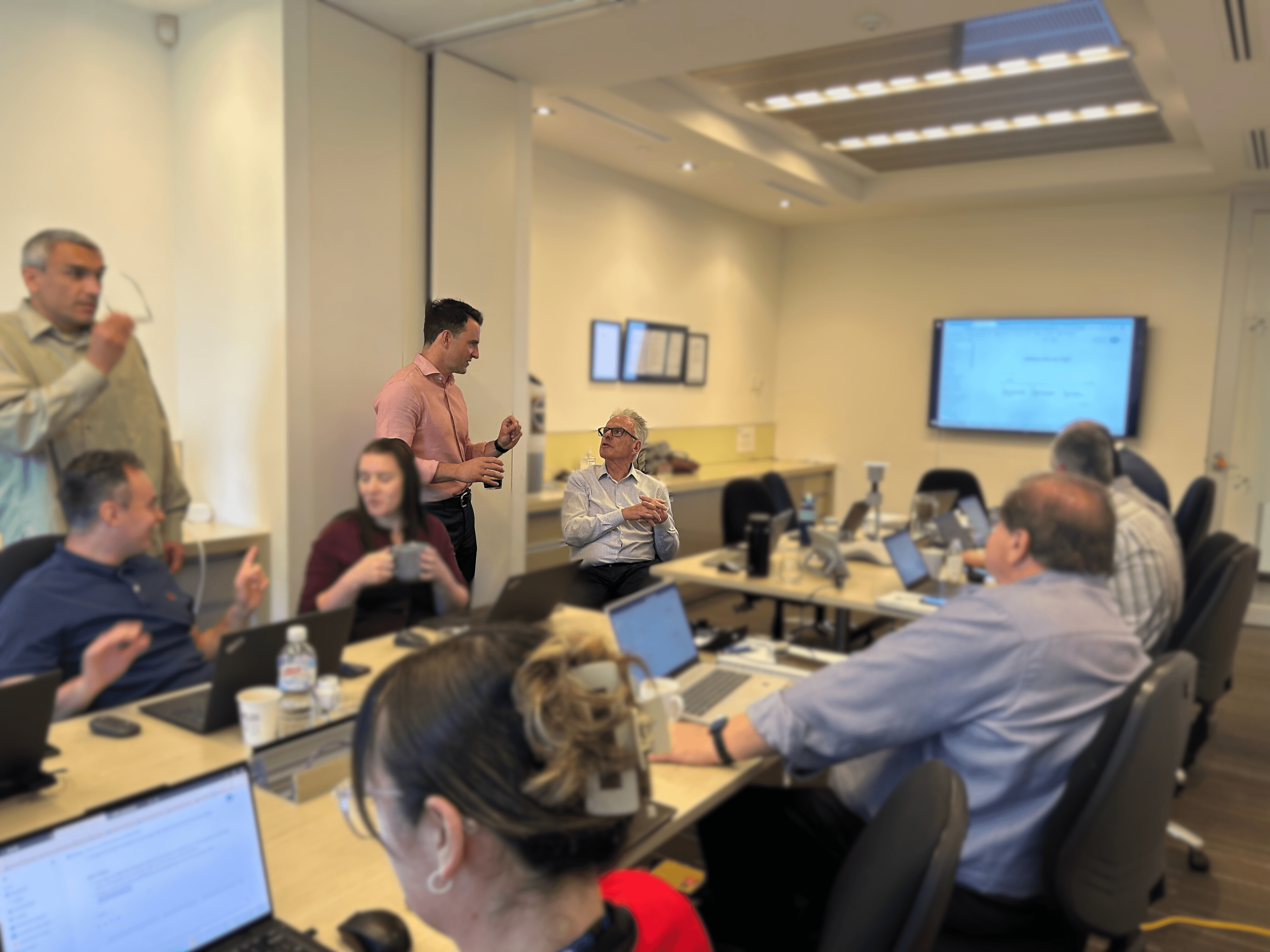
They're hands-on. Every session involves participants using real tools on real problems. Not watching demos. Not listening to explanations. Actually doing the work, with guidance and support.
They're in-person. Or at least synchronous and interactive. A good trainer reads the room. They notice when someone's confused. They adapt when an explanation isn't landing. They can look over someone's shoulder and say, "Try it this way instead." You can't do that at scale through a recorded video.
They separate learning from application. This is something I've learned that matters a lot. You need structured sessions to build the foundational skills, the core patterns and habits that work across contexts. But then you need separate sessions focused entirely on application, where participants bring their real problems, their actual frustrations, and work through them with support. Trying to do both at once dilutes both.
They're sustained. Building genuine AI capability takes months, not hours. The best programs include multiple sessions over time, with practice in between. One workshop might spark interest, but it won't change how people work.
They include dedicated application time. The best programs don't just train people. They create space to apply what they've learned to real work. Working sessions where participants bring actual problems and solve them with support. That's where capability really solidifies.
The Leaders First Principle
There's one more element that separates successful AI programs from unsuccessful ones. Where you start matters enormously.
If you train frontline staff first, without bringing leaders along, adoption stalls. Staff look up and see that their managers and executives aren't using AI. They get the message, loud and clear. It's not important.
If you start with leaders, everything changes. Leaders who genuinely understand AI can have informed conversations about it. They can allocate resources sensibly. They can remove blockers. Most importantly, they can model the behaviour they want to see.
When a CEO uses AI in board prep, when a CFO uses it for scenario analysis, when a marketing director uses it for campaign planning, everyone else notices. Suddenly AI isn't a curiosity. It's how serious people do serious work.
The Investment Question
Good AI training costs more than an online course subscription. That's just reality. In-person delivery, structured programs, sustained engagement over months. These things require investment.
But here's the question you should be asking. What's the cost of training that doesn't work?
You pay for courses that don't change behaviour. You pay for AI tools that don't get used. You pay the opportunity cost of competitors who figure this out before you do.
The cheap option often turns out to be the expensive option. Not because the course itself cost a lot, but because it didn't deliver results, and you have to start again.
What To Look For
If you're evaluating AI training options, here are the questions that matter.
Is it hands-on? Will participants actually use AI tools during the training, or just watch someone else use them?
Does it separate learning from application? Is there structured skill-building, followed by dedicated time to apply those skills to real problems with support?
Is it sustained? Is this a one-off session, or is there a structured program that builds capability over time?
Does it include real application? Will participants have the opportunity to work on their actual problems, their real frustrations, with guidance?
Does it start with leaders? Is there a clear pathway that brings leadership along before or alongside everyone else?
If the answer to these questions is no, you're probably looking at training that won't deliver results. No matter how good the content is.
Next Steps
If your organisation has tried AI training before and it hasn't stuck, you're not alone. Most organisations are in the same boat.
The good news is that building genuine AI capability is absolutely possible. It just requires a different approach than the generic courses and webinars that haven't worked.
Book a consultation to talk through what a structured capability program might look like for your team. No sales pitch, just a genuine conversation about your context and what would actually help.

Andrew Gargiulo
Founder · AI Advisor & Trainer